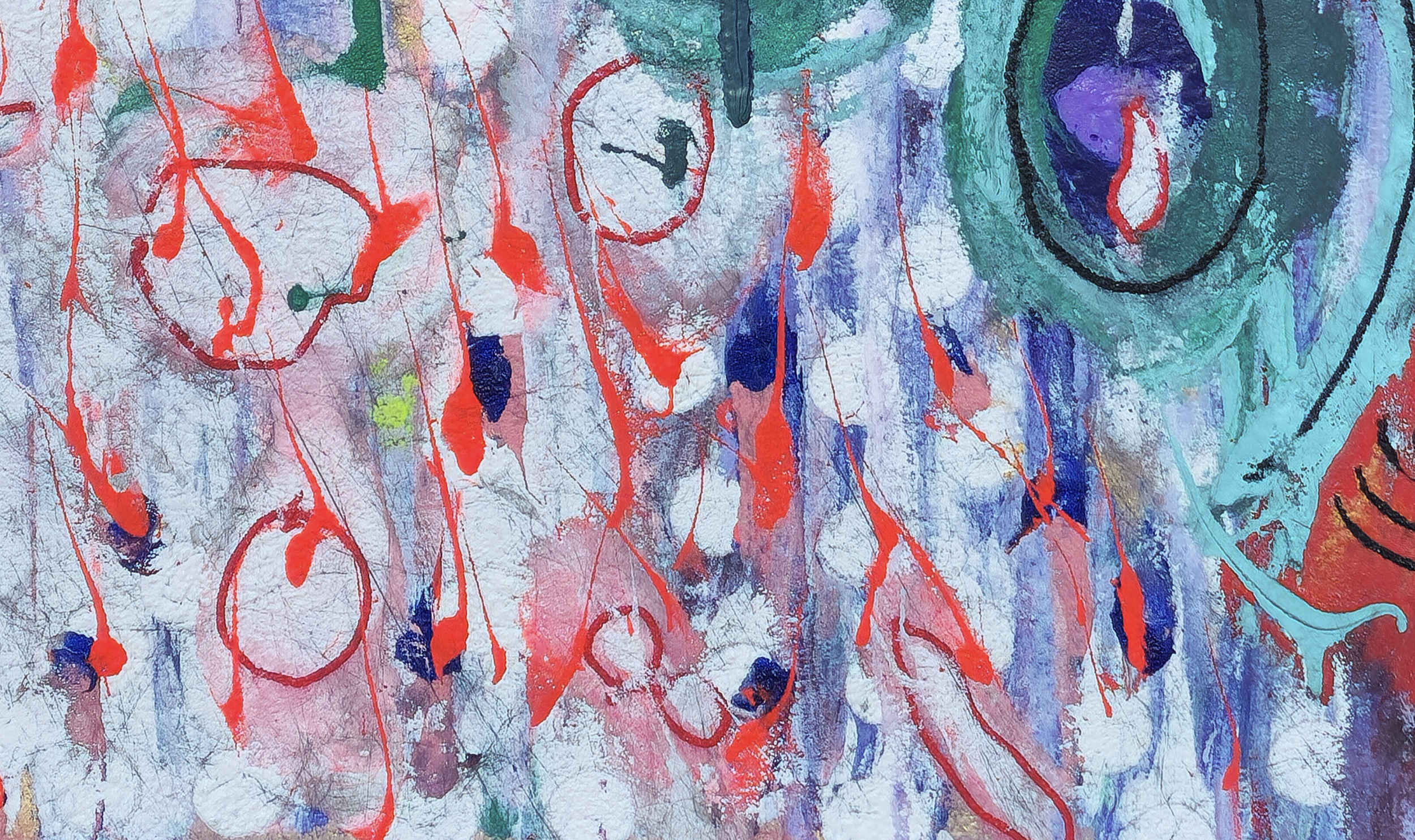
SEFAR ALIEN MELODY
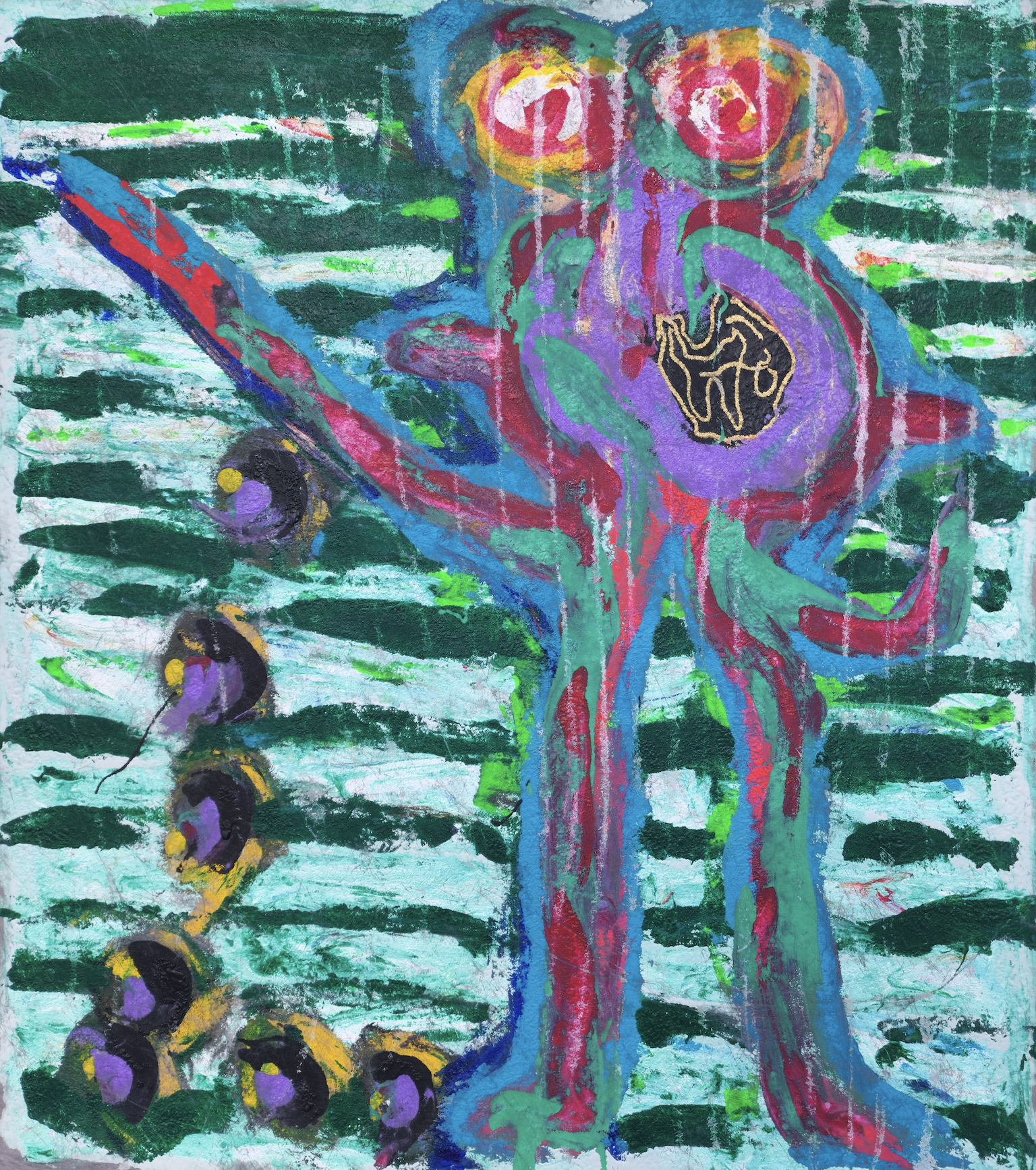
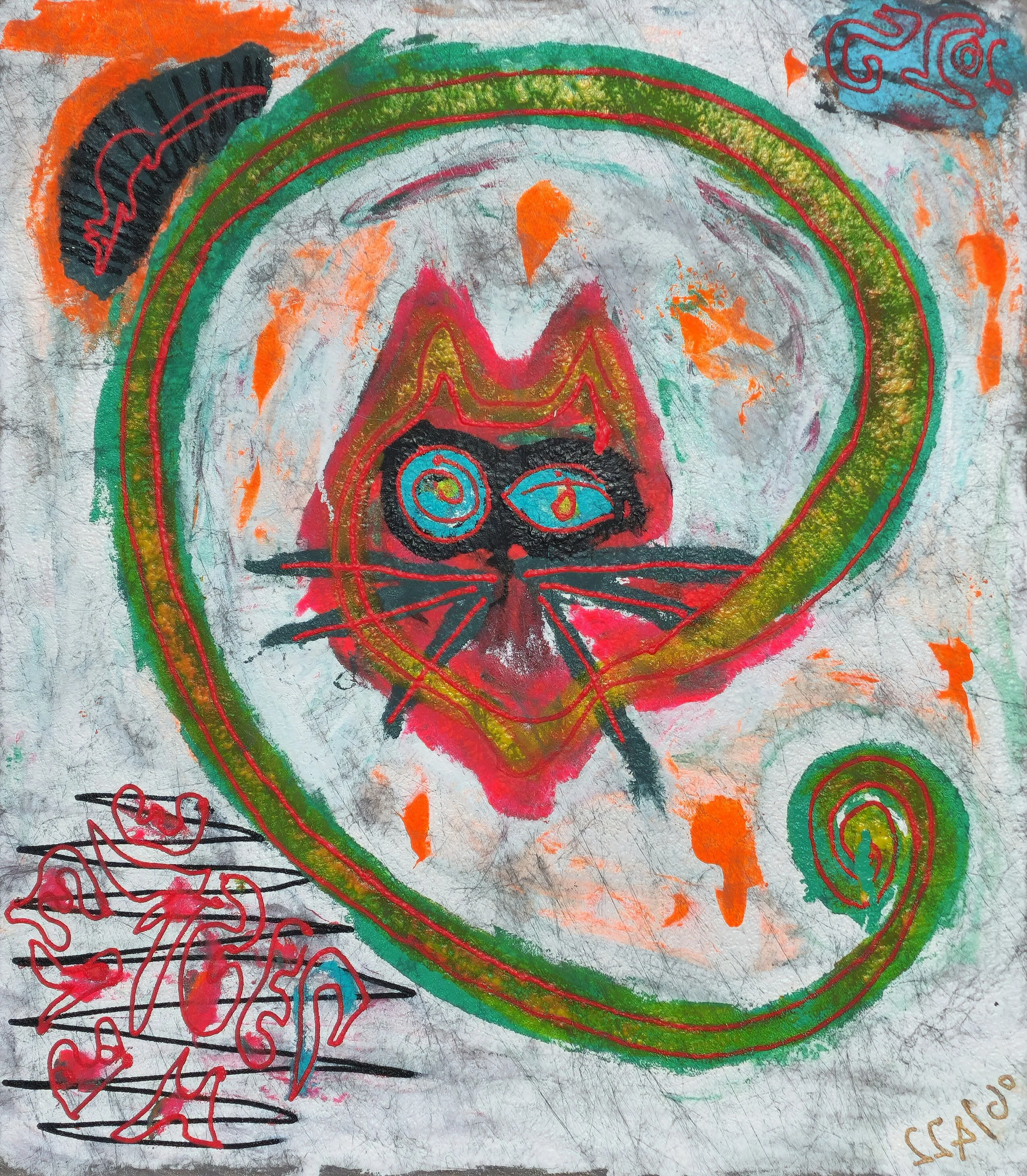
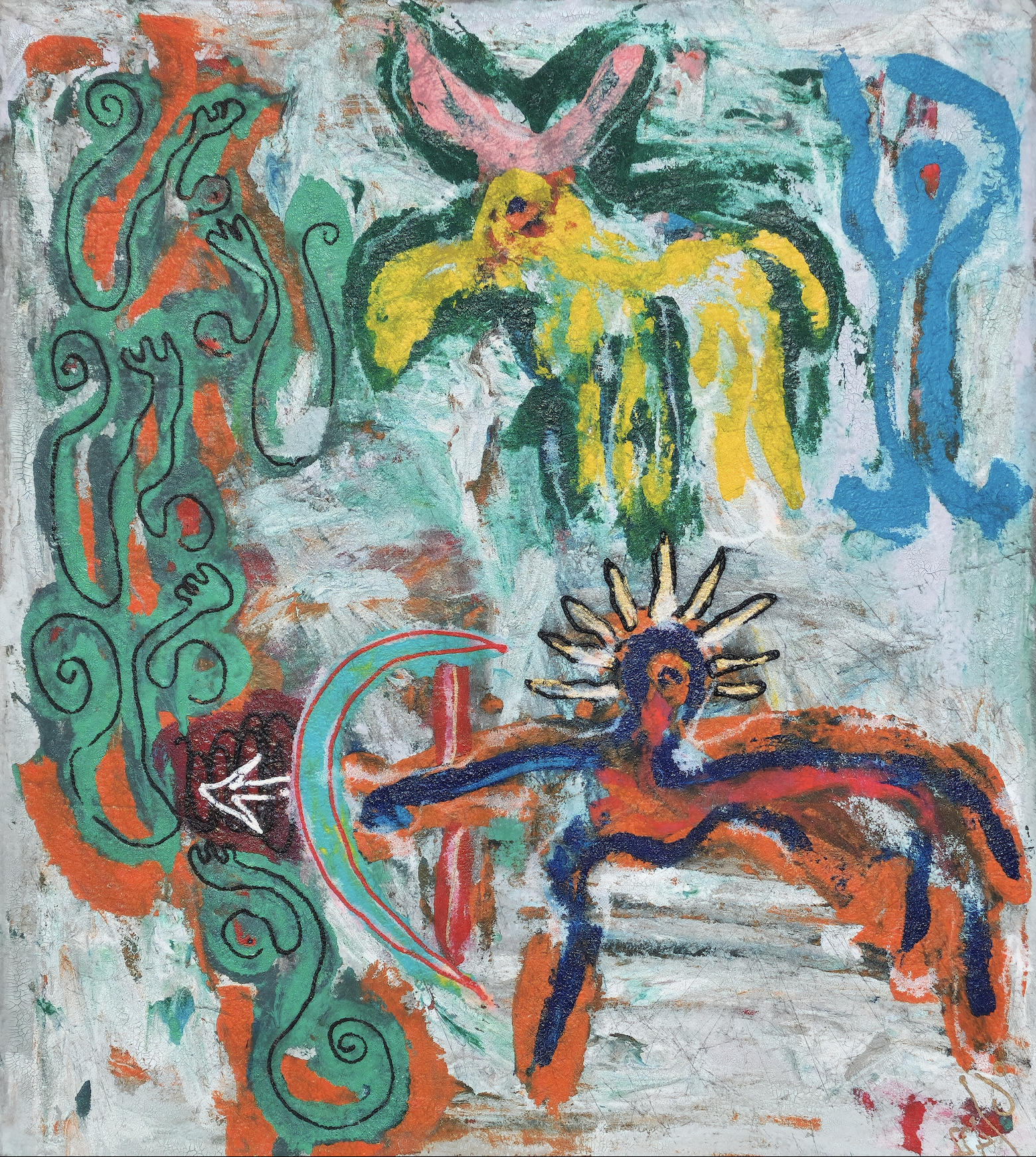
SEFAR ALIEN MELODY
Sefar Alien Melody began with the Great God of Sefar.
Painted thousands of years ago in Tassili n’Ajjer, in the Algerian Sahara, the monumental figure belongs to the enigmatic group of prehistoric images known as the Round Heads. Its name is modern. Its original name, purpose and meaning are unknown.
The image survived anyway.
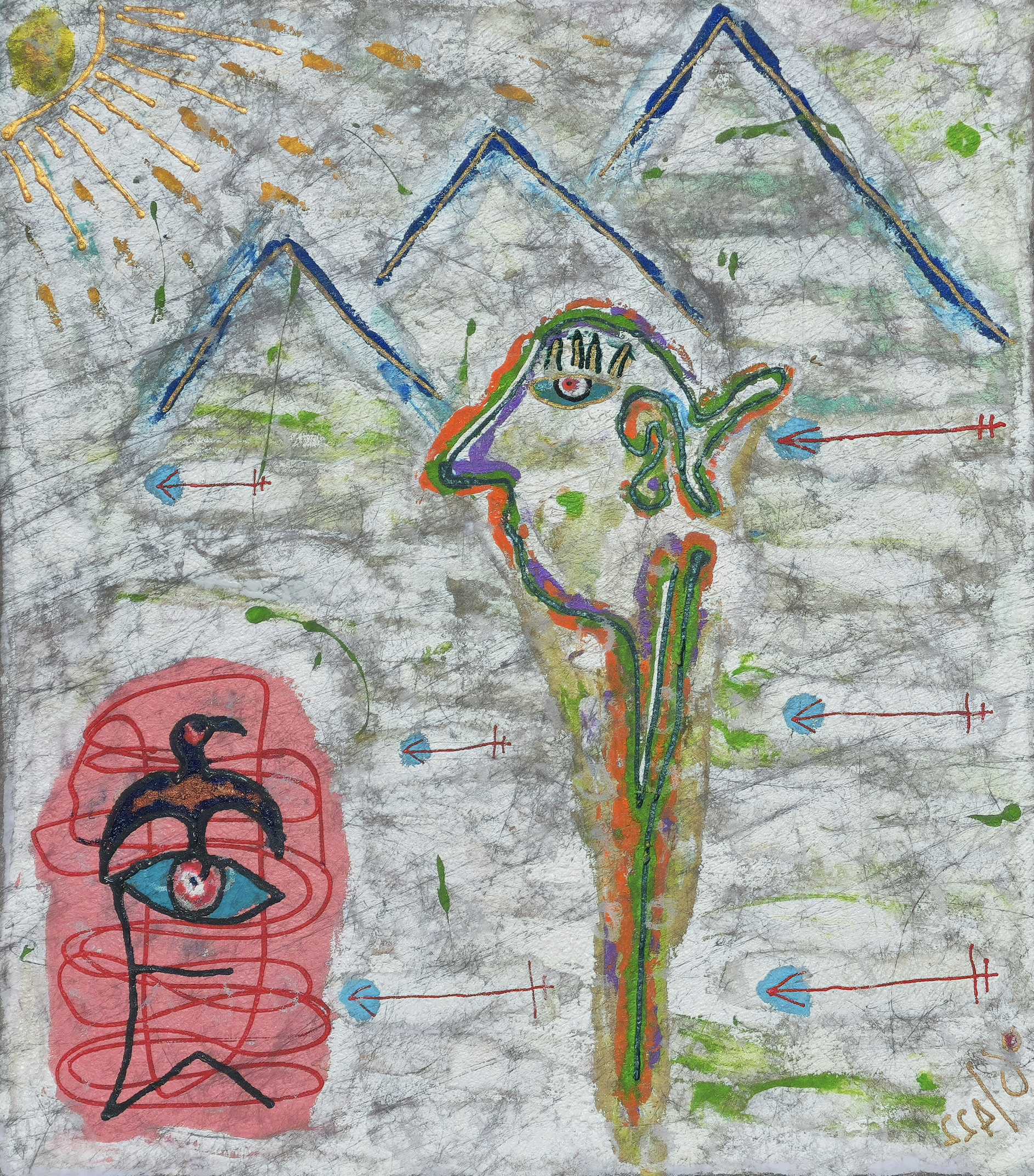
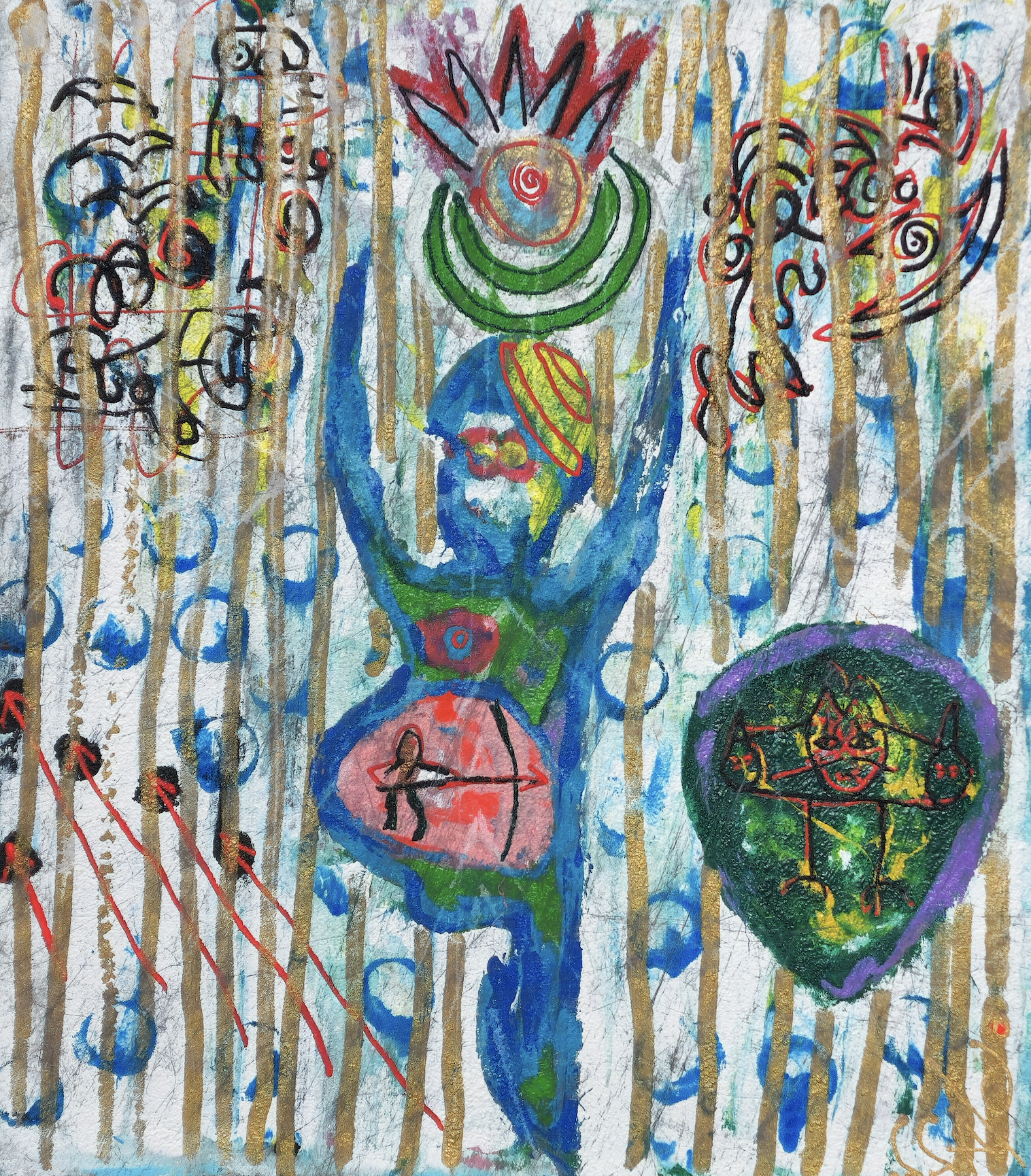
In this series, the Great God of Sefar becomes Salvador Salavarrieta planting seeds in the Sahara.
That transformation sets everything else in motion.
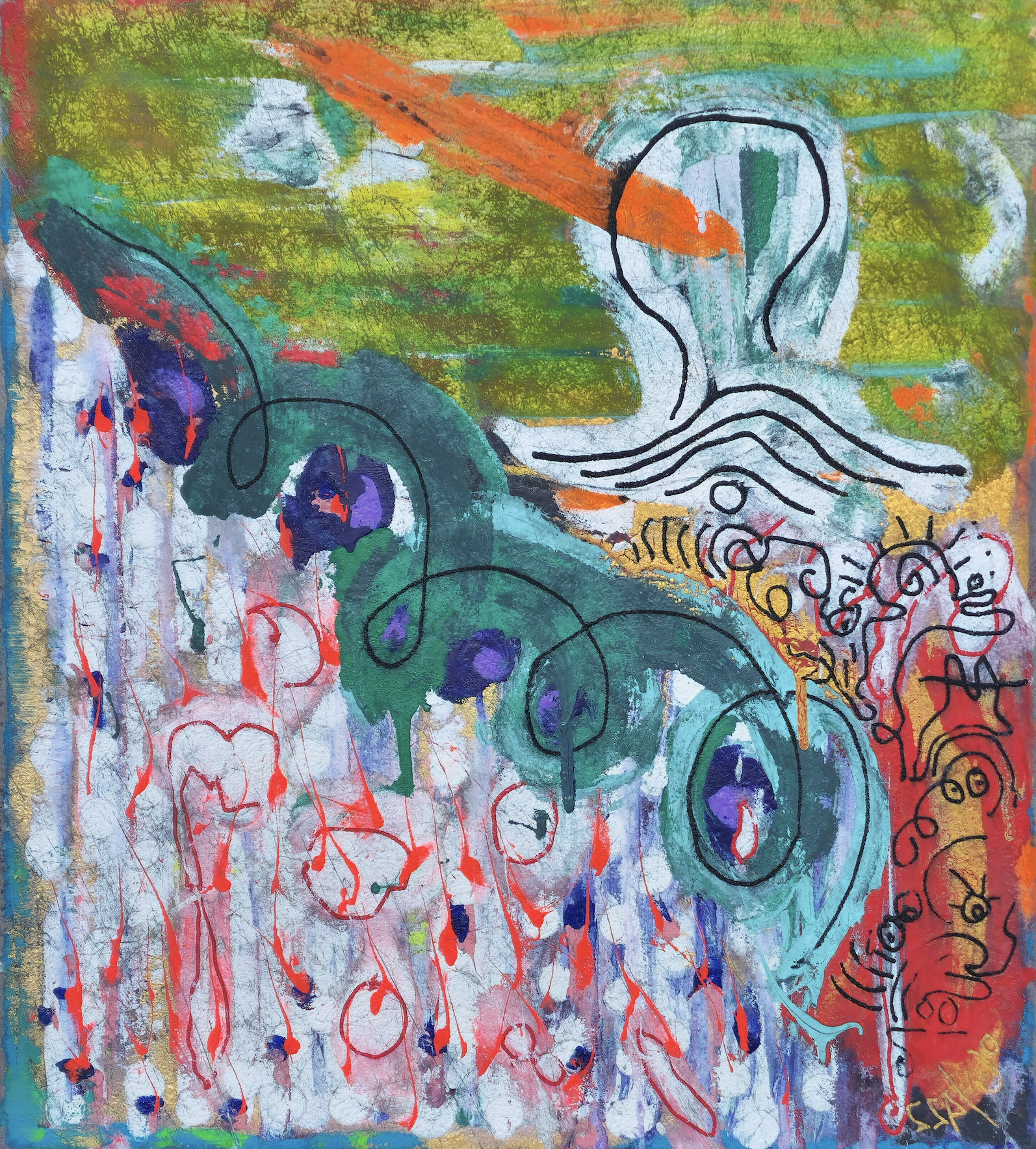
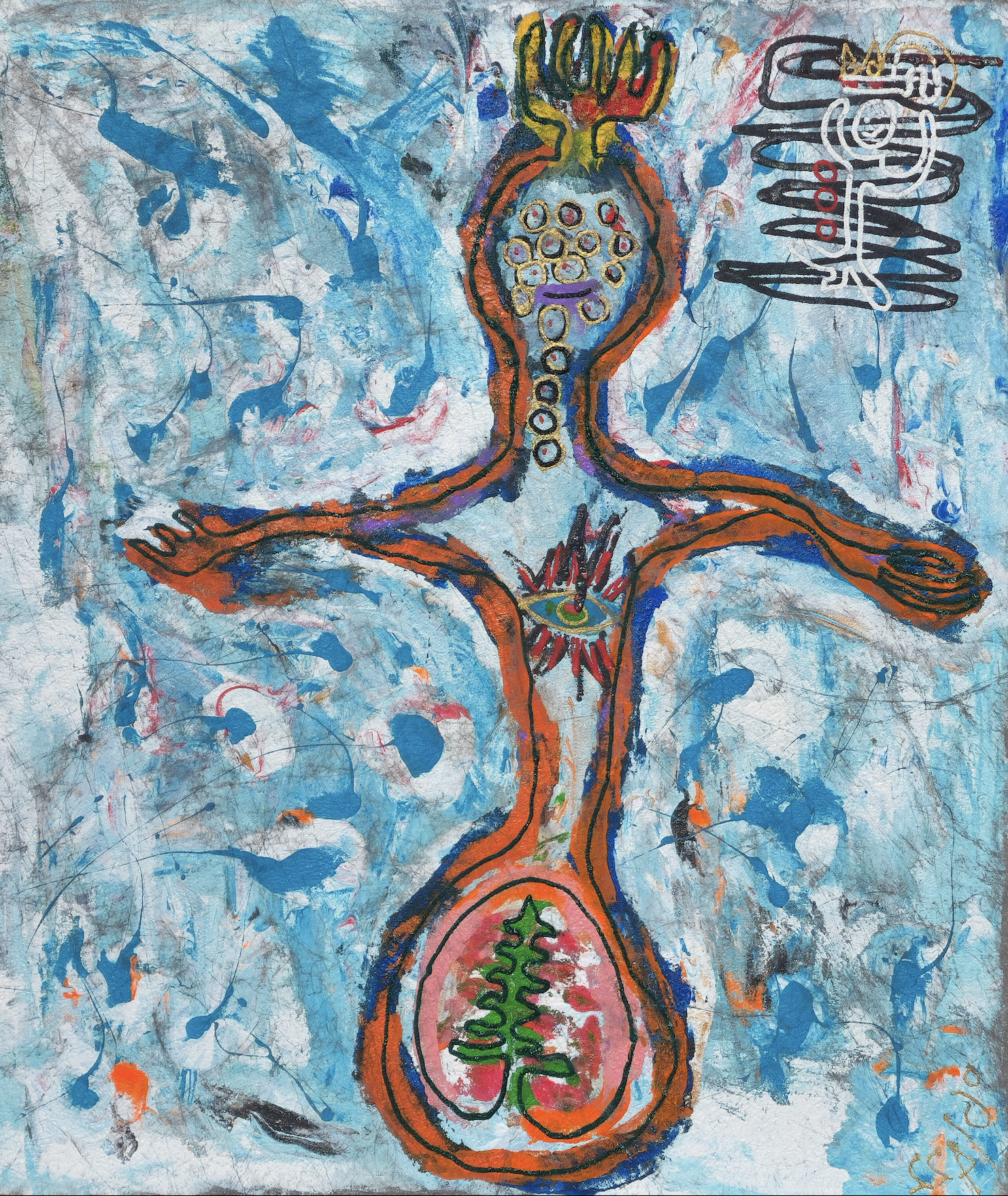
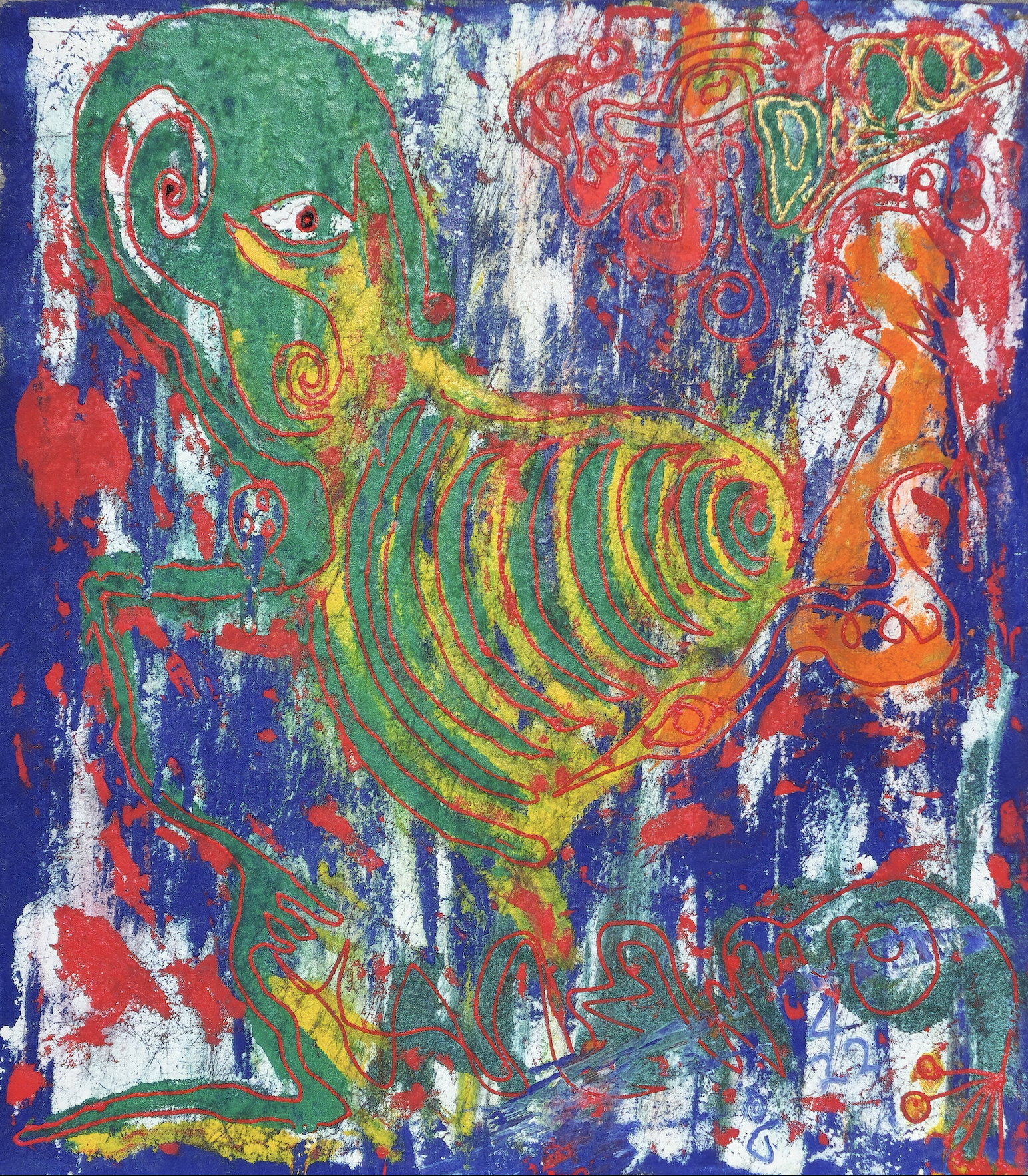
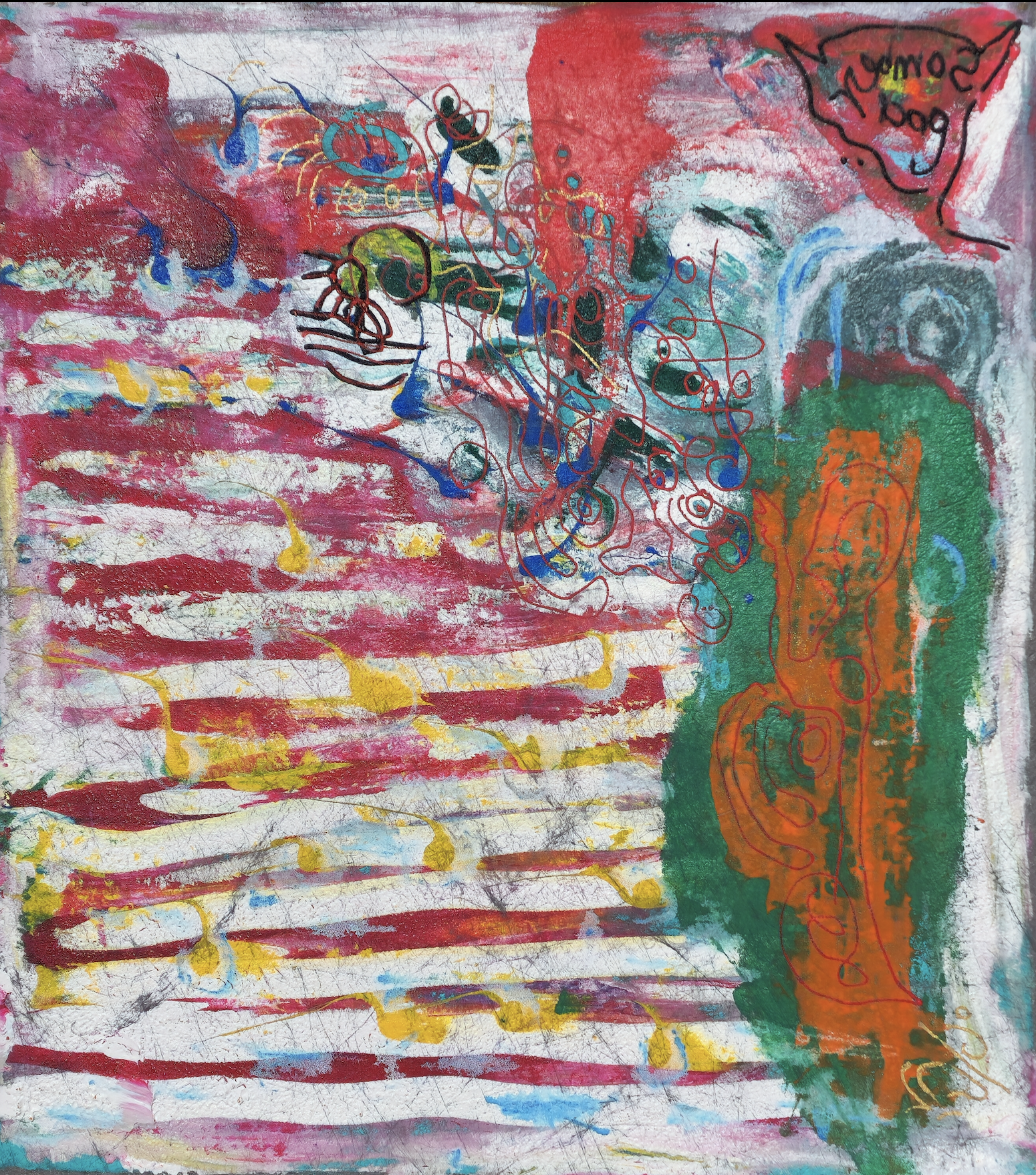
Misifuz de los Martes has known everything since forever. Segismundo del Río hunts monkeys in the middle of a revelry. Fulgencio Jaramillo imagines the mountains of the Earth. Simón Bonaparte witnesses the magic of creating the world. Sarita Monteverde blesses the blue winds of Tassili. Beatriz Valbuena pollinates Africa’s first flower. Andre Buenaventura gives birth to spirits and the demon. Madre María conjures the cosmic birth of water and poetry.
They have invented names but elemental occupations.
They plant, know, hunt, imagine, witness, bless, pollinate, give birth and conjure.
Together they form an improbable cosmogony.
The series does not attempt to reconstruct the lost mythology of Tassili or imitate the appearance of prehistoric painting. Instead, it begins with a simpler mystery: an image can outlive the world that gave it meaning and still possess the power to generate another image.
Across the paintings, bodies open into other bodies. Eyes become organs, signs and suns. Animals approach plants; plants approach spirits; lines behave like writing without becoming language. Humor interrupts solemnity. The sacred and the ridiculous inhabit the same world.
The paintings were created during Óscar Berrío’s residency at N.A.M.E. in Brooklyn. Each painting begins with acrylic drawn directly onto gardening weed barrier fabric using squeezable bottles. The paint is then pushed through the woven surface with short-cut brushes. The surrounding fabric is left unpainted, preserving the material as part of the visible structure of the work.
This is where Sefar Alien Melody meets Tassili most deeply.
Not by recovering an ancient visual language, but by returning to the strange act of making a mark and allowing a world to gather around it.
A figure painted on Saharan rock thousands of years ago reaches another painter in Brooklyn.
Its message cannot be recovered.
Its melody continues.
Have Questions?
We'll review your message and get back to you within 48 hours.